
Loading…
TimeMaps - Search Historic Maps

The Hellenistic World

<< back to History Atlas: Ancient Middle East

Hellenistic Period Overview

The Hellenistic period began in 323 BCE, when Alexander the Great died. His vast conquests became divided between his leading generals, who founded royal dynasties over the seperate kingdoms. In them, Greek civilization spread right across the Middle East, and became mixed with local cultures to produce a hybrid civilization. The period lasted until 31 BCE, when the last Hellenistic kingdom – the Egypt of Queen Cleopatra – fell to Rome.
Islamic Caliphate

Impelled by their new Islamic faith, in the 7th and 8th centuries Arab armies created one of the largest empires known to world history. This empire is referred to as the Caliphate, and it was under this empire that a distinctly Islamic civilization emerged.

The Phoenicians

The Phoenicians were a Canaanite people who lived in city-states on the Mediterranean coast, famous as seafarers and traders.

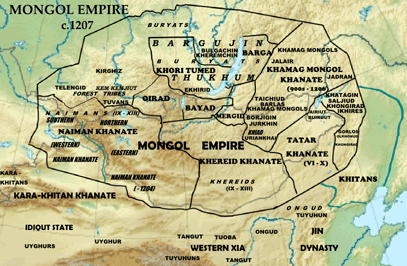
The Mongol Empire

The Mongol Empire was not a civilization in the strict sense of the word, but by being the largest land empire in world history it had a huge impact on the Chinese, Islamic and European civilizations.

The Ottoman Empire

The Ottoman Empire was one of the greatest empires in world history, both in size and duration.

Ancient Persian Civilization

Early Iran The heartland of ancient Persian civilization – as is true for its Islamic successor – is the modern country of Iran. In ancient times, Iran bordered the land of Mesopotamia (in modern Iraq), and was deeply influenced by Ancient Mesopotamian civilization. This was the first urban and literate culture in world history, and […]